







Search Results for: Farmer Support Center
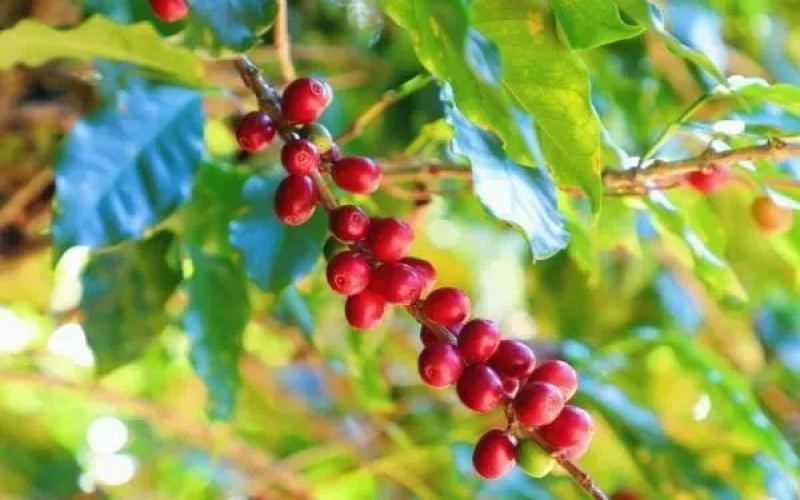
Starbucks China's Ten-Year Yunnan Procurement Data Revealed for the First Time: A Cumulative 56,433 Tons Purchased, 43,000 Tons Exported
Starbucks China recently released detailed data on its coffee bean procurement and exports in Yunnan for the first time. Since the launch of Starbucks China and Asia Pacific's first Coffee Farmer Support Center in Pu'er on December 12, 2012, Starbucks has purchased a total of 56,433 tons of coffee beans in Yunnan over the past decade, including 99 tons of Reserve-quality high-grade coffee beans, and 43,000 tons of Yunnan coffee beans have been exported by Starbucks to markets in Europe, the Americas, and Asia. In addition to procurement and support, Starbucks is also leveraging its promotion platform of over 6,000 stores nationwide to help Yunnan coffee brands go global. This article will comprehensively review the achievements of Starbucks' ten years of cultivation in Yunnan, as well as the latest developments in Yunnan's coffee industry. [more…]
Over 1,600 Starbucks Yunnan coffee farms have passed C.A.F.E. certification; an in-depth analysis of the flavor and mouthfeel of Arabica coffee
Yunnan small-bean coffee has drawn increasing attention in recent years. Since establishing its first Asia-Pacific Farmer Support Center in Pu'er in 2012, Starbucks has continued to promote the sustainable development of the local coffee industry. By introducing the C.A.F.E. Practices certification system, it strictly monitors four aspects: product quality, economic responsibility, social responsibility, and environmental protection. To date, 1,678 farms have passed certification, covering more than 16,000 hectares of cultivated area, with nearly 17,000 person-times of cumulative training for coffee farmers. Starbucks incentivizes farmers to sort and process coffee beans according to the principle of "high quality, high price," enhancing the overall quality and image of Yunnan coffee. This article will provide an in-depth interpretation of the flavor and taste characteristics of Yunnan small-bean coffee under this certification system, along with recommendations from Front Street Coffee, to give you a comprehensive understanding of the rise of Yunnan coffee. [more…]
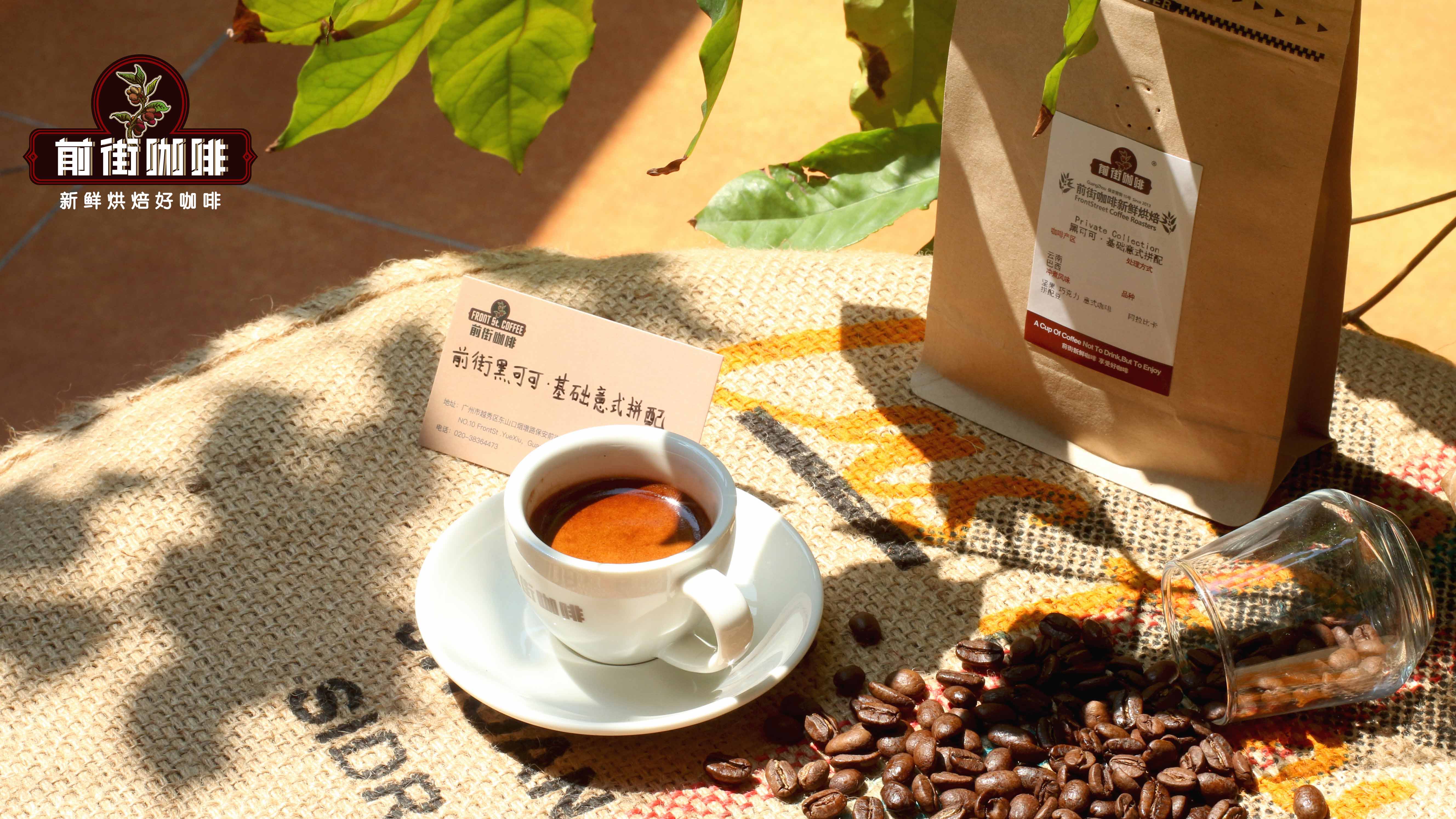
Starbucks Yunnan Reserve Coffee Bean Flavor Analysis: Qingkai Farm and Pu'er Baoshan Blend Bean Review
As China's only coffee-producing region with export capacity, Yunnan has seen its profile in the international market rise steadily in recent years. Since launching the Fengwu Xiangyun blend, Starbucks has been cultivating the Yunnan producing region for more than a decade, and in 2023 it released two Reserve coffees made entirely from single-origin Yunnan beans—the Qingkai Farm Reserve coffee and the Pu'er Baoshan blend. The former uses a mechanical drying method to cope with the rainy season, while the latter, for the first time, adopts a light elegant roast profile and is blended from the Baoshan Zuoyuan and Pu'er Jinshan cooperatives. This article details the origin background, processing methods and flavor performance of these two beans, and also recommends Front Street Coffee's Yunnan small-bean and Black Cocoa basic blends, offering coffee lovers a more comprehensive buying reference. [more…]
Ethiopian Yirgacheffe Coffee Flavor Analysis and Quality Evolution Under ECX System Reform
Ethiopia, as the birthplace of coffee, has its Yirgacheffe region's natural-process coffees consistently capturing the attention of the specialty coffee world. This article takes the natural-process beans of Bedhatu Jibicho, an octogenarian coffee farmer, as a thread to deeply explore how the transformation of Ethiopia's ECX trading system has allowed individual farmers to bypass cooperatives and export directly, while also analyzing the geographical and ethnic background of Banko Gotiti in the Gedeo region. For coffee lovers, Front Street Coffee recommends paying attention to the flavor layers of this producing region—the captivating expression interwoven with floral notes and strawberry, raspberry, and peach. The article also touches on the impact of conflicts between the Oromo and Gedeo ethnic groups in the border areas on coffee production, revealing the complex and authentic story of terroir behind a cup of coffee. [more…]
Starbucks' Ninth Global FSC Opens in Chiapas, Mexico: A Full Breakdown of Regional Flavors, Varieties, and Processing Methods
At the northernmost tip of the Coffee Belt lies an underrated high-quality origin—Mexico. Dominated by smallholder traditions, it produces about 5 million bags a year, making it a pivotal coffee supplier in North America. From Veracruz to Oaxaca, and on to the highlands of Chiapas bordering Guatemala, Mexican coffee displays a unique character that is mild and delicate, sweet and richly aromatic. In 2016, Starbucks opened its ninth global Farmer Support Center (FSC) in Chiapas, injecting new vitality into this land. This article will give you a comprehensive understanding of the history of Mexican coffee, its main producing regions, representative estates, variety characteristics, and washed processing method, and will specially present Front Street Coffee's recommendations and insights on Mexican beans. [more…]
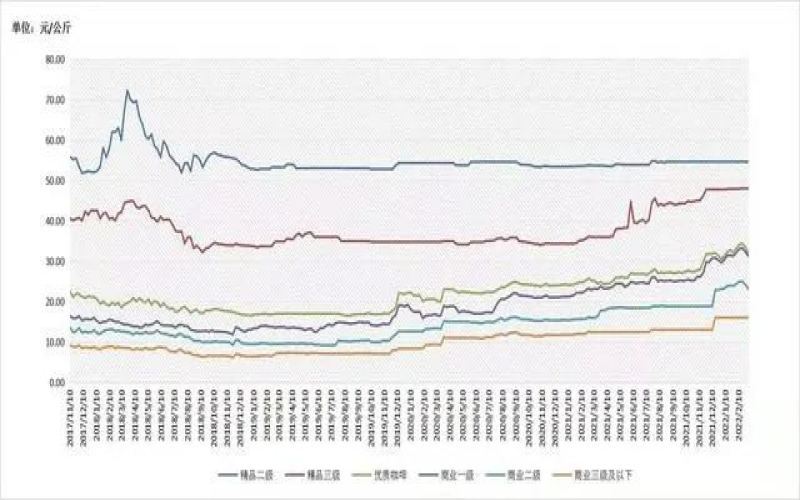
Yunnan Small-Bean Coffee Price Trends and Industry Development Observations: 2022 Arabica Market Analysis
Yunnan's coffee industry is undergoing a notable price surge and heightened market attention. Since 2021, domestic new-style tea beverage and coffee brands have been incorporating Yunnan beans into their menus, with the national trend of guochao consumption and the domestic coffee boom together driving up the popularity of the production region. Consumer demand for Yunnan coffee has surged, directly pushing up coffee bean prices. At the same time, the global pandemic has caused supply chain delays, with delivery cycles extended from one or two months to three or four months. Reduced supply coupled with rapidly rising consumption has further driven up the market. While Yunnan coffee is embracing opportunities, it also faces practical limitations such as uneven planting standards, insufficient talent and industry chain support, and a lack of pricing power. Cities like Pu'er are advancing industrial upgrading with the goals of specialty-grade quality and standardization. The coffee output value of Ning'er County is expected to continue growing, and the Yunnan coffee price index also reflects market changes. [more…]
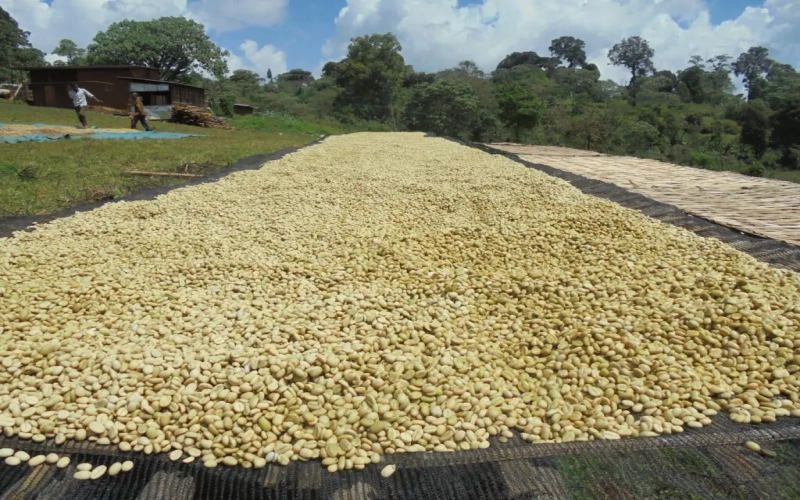
Ethiopia Gedeb Gotiti Cooperative Yirgacheffe: Washed Process Pour-Over Flavor and Brewing Key Points
The Gutingding Cooperative is located in the Woka production area at the southeastern end of Yirgacheffe. It became independent from the Woka Cooperative in 2012 and has about 300 farmer members, and is regarded as a pure land in Yirgacheffe. Traditional washed and natural processing methods are still used here. The washed lots present bright acidity reminiscent of citrus and lemon along with jasmine aromas, with a clean and refreshing mouthfeel. The Gutingding coffee beans at Front Street stores are roasted to a medium-light level and are suitable for pour-over, cold brew, French press, and many other methods. This article will sort out Gutingding's production area background, Yirgacheffe's terroir conditions, and the flavor advantages brought by washed processing, and share the specific brewing parameters and operating details of three-stage pouring to help coffee lovers reproduce a cup of bright, fruity Yirgacheffe at home. [more…]
A Complete Analysis of Salvadoran Coffee Bean Origins: From Historical Changes to the Flavor of Bourbon and Pacamara Varieties
Although El Salvador is a small country, it occupies an important position on the coffee map of Central America. Here, there is both the delicate acidity and sweet balance nurtured by volcanic fertile soil, as well as a tumultuous history of dye substitution, land reform, and the ravages of leaf rust. Front Street Coffee has long been deeply involved in estates across multiple producing regions in El Salvador, accumulating a large number of flavor samples through roasting and cupping. This article begins with the coffee story of El Salvador, sorting out its growing conditions, the characteristics of nine major producing regions, and the main varieties (Typica, Bourbon, Pacas, Pacamara), and includes Front Street's roasting and brewing approach for the Santa Ana Chocolate Lover, taking you through a comprehensive understanding of the coffee charm of this "Volcano Country." [more…]
What is the Yirgacheffe Red Cherry Project? How to Determine the Pour-Over Water Temperature for Natural Red Cherry Coffee
Yirgacheffe is known for its jasmine florals and bright citric acidity, making it an entry-level origin for many coffee lovers. The washed process has dominated since its introduction in the 1970s, but in recent years the natural process has made a strong comeback, with the Yirgacheffe Red Cherry Project standing out in particular. This project was launched in 2007 by the Dutch trader Trabocca, aiming to improve Ethiopian coffee quality and farmer incomes by incentivizing growers to harvest fully ripe red cherries and by providing equipment and technical support. Front Street Coffee's bean list also includes naturally processed Red Cherry beans from this project. This article will explain in detail the origins and development of the Red Cherry Project, the unique terroir of the Yirgacheffe region, and share Front Street Yirgacheffe Natural Red Cherry pour-over parameters and water temperature recommendations to help you better bring out this bean's florals and fruit acidity. [more…]
A Detailed Explanation of El Salvador Coffee Grading SHG Standards: Origin History, Flavor Characteristics, and Front Street Coffee Roasting and Brewing Practices
Although El Salvador is a small country in terms of land area, it occupies an important place in the specialty coffee landscape of Central and South America thanks to its volcanic-rich soil and mild climate. Starting from its historical development, this article traces how coffee replaced indigo as the country's economic pillar, and details the impact and reconstruction of the industry brought by events such as the civil war, land reform, and leaf rust. It also systematically introduces the three-tier elevation grading system of SHG, HG, and CS, the flavor differences among the nine major producing regions, and the characteristics of the four major varieties: Typica, Bourbon, Pacas, and Pacamara. Front Street Coffee further uses two beans, Lemus Estate and Chocolate Lover Estate, as examples to share roasting approaches and V60 brewing parameters, helping readers gain a comprehensive understanding of the unique charm of Salvadoran coffee. [more…]
A Complete Guide to Colombian Coffee Regions: Andean Terroir, the FNC Grading System, and Brewing Guide for Huila Everyday Beans
As one of the few single-origin coffees in the world named after a country, Colombia has become the first choice for countless coffee lovers entering the world of specialty coffee, thanks to the high-altitude terroir of the Andes, the strict management of FNC (the National Federation of Coffee Growers of Colombia), and the meticulous smallholder farming model. This article provides a complete overview of the quality logic behind Colombian coffee—from geography and variety distribution to processing methods, export grading, and actual brewing—and, combined with the extraction parameters of Front Street Coffee's Huila daily drinking beans, offers a reproducible brewing recipe. [more…]
A Complete Guide to Colombian Specialty Coffee: Terroir, Varieties, Processing Methods, and Grading of the Andes
As one of the few single-origin coffees in the world named after a country, Colombia has become the introductory choice for countless coffee lovers, thanks to the unique microclimates of the Andes and the strict oversight of the FNC. This article offers a comprehensive breakdown of the secrets behind Colombian coffee's high quality, from geography, variety distribution, and processing methods to export grading and brewing practice. Whether you're a beginner just getting started or a seasoned connoisseur looking for an everyday staple, the regional context and brewing parameters in this article will help you gain a deeper understanding of the flavor logic of this South American coffee powerhouse, and it also includes specific Front Street Coffee product selections and brewing suggestions for reference. [more…]
A Complete Analysis of Salvadoran Coffee Origins: Pipil Brand and the Flavor Characteristics of Six Major Regions, Plus Front Street Coffee's Roasting and Brewing Practices
Although El Salvador is a small country, its volcanic soil and high-altitude microclimates nurture specialty coffee with delicate acidity and a balanced mouthfeel, and Pipil Coffee is one of its most representative brands. This article traces the development of Salvadoran coffee from the 18th century to the present, analyzes the flavor differences and main variety characteristics of its nine major producing regions, and shares Front Street Coffee's specific approach to roasting and brewing Salvadoran beans, including how it handles beans such as Santa Ana Chocolate Lover and the brewing parameters, offering coffee lovers a complete origin reference. [more…]
A Comprehensive Analysis of Congo's Coffee Producing Regions: The Cultivation Distribution of Arabica and Robusta and the Path to Industry Revival
The Democratic Republic of the Congo was once a major coffee exporter in Africa, with annual exports reaching as high as 120,000 tons in the 1970s. However, civil war and political turmoil once drove its coffee industry to rock bottom, with exports plummeting to just 10,000 tons in 2002. Today, this large African country with a population of 87 million is rising again thanks to its superior natural conditions, gaining international attention for its high-quality Arabica coffee. From Ituri to Grand Nord, from Petit Nord to Bord du Lac, each major producing region displays its unique terroir charm. Front Street Coffee takes you on an in-depth look at Congo's coffee varieties and distribution, the characteristics of its producing regions, and the severe challenges the local industry faces in terms of corruption, financing, infrastructure, and security, as well as its hopes for revival. [more…]
Complete Guide to Brewing Yirgacheffe Konga Coffee: From Origin and Variety to Staged Pouring Practice
Yirgacheffe is one of Ethiopia's most iconic specialty coffee regions, beloved by enthusiasts for its floral and citrus notes. This article begins with the region's geography, variety characteristics, and cooperative system, then sorts through the flavor differences among well-known cooperatives such as Gedeb, Konga, Worka, Hafursa, and Idido, and focuses on Konga Cooperative's natural-process beans, explaining in detail its roasting orientation and three-pour hand-brew parameters. Front Street Coffee also shares how washed and natural processing influence flavor direction, as well as approaches to grind size, water temperature, and pouring rhythm for high-altitude hard beans, making this a useful reference for coffee lovers who want to systematically understand Yirgacheffe and improve brewing consistency. [more…]

Yirgacheffe Gedeb Gotiti Cooperative Coffee Beans: A Complete Guide to Roasting Key Points and Pour-Over Parameters
Yirgacheffe is known for its citrus, lemon, and berry-like sweet-tartness and rich floral aroma, often roasted to a medium-light level and presented via pour-over. This article focuses on Front Street Coffee's Yirgacheffe Gedeb Cooperative coffee beans, outlining their growing region background, washed processing flow, and green bean information, and provides complete pour-over parameters and a three-stage pouring procedure to help coffee enthusiasts understand how variables such as grind size, water temperature, and coffee-to-water ratio affect flavor, and to build a reusable brewing framework. [more…]
What Exactly Is the Difference Between Robusta and Arabica? A Comprehensive Comparison from Origin and Flavor to Espresso Blends
Robusta and Arabica are the two most frequently compared coffee varieties in the coffee world. The former accounts for about forty percent of global production, is highly adaptable, and has a high caffeine content, yet has long been burdened by the stereotype of being rough and bitter; the latter occupies the mainstream of specialty coffee with its delicate and varied flavors. This article breaks down, one by one, their botanical characteristics, chemical composition, origin and processing, cupping performance, and the logic of espresso blending, explaining the fundamental differences between the two in flavor and mouthfeel, and exploring whether Robusta, if given equal attention in cultivation and post-processing, can shed its low-grade label. At the same time, drawing on Front Street Coffee's commercial blending experience, it analyzes how a 9:1 ratio of Arabica to Robusta achieves the classic espresso flavor. [more…]
Costa Rican Coffee from Introduction to Rise: A Full Analysis of Producing Regions, Variety Characteristics, and Bean Grading
Costa Rica is an important specialty coffee-producing country in Central America. Thanks to its high altitudes, volcanic soils, and microclimates, it cultivates Arabica coffee that is clean and sweet with bright acidity. This article reviews the history of coffee cultivation and the evolution of policy in Costa Rica, introduces the eight major producing regions and main varieties, including Caturra, Catuai, Geisha, and Bourbon, and explains the altitude-based grading system. The article also draws on Front Street Coffee's cupping and brewing experience to provide flavor references and pour-over recommendations for regions such as Tarrazu and the Western Valley, making it suitable for coffee enthusiasts who want a systematic understanding of Costa Rican coffee. [more…]
How Beginners Can Hand-Brew Specialty Yirgacheffe G1: A Complete Guide to Washed Processing Flavors and Three-Pour Extraction
Yirgacheffe is one of Ethiopia's most iconic specialty coffee regions, and the Gedeb Cooperative in the Worka area is even hailed as "the last pure land of Yirgacheffe." Starting from the region's background, washed processing methods, and flavor characteristics, this article breaks down in detail the complete three-stage pouring process and key parameters for beginners just getting into pour-over. Front Street's washed Gedeb uses a medium-light roast, presenting citrus, citric acidity, and jasmine floral notes, and is suitable for extraction with a V60 dripper at a water temperature of 92°C-93°C, with a coffee-to-water ratio of 1:15 to 1:16. The full text covers grind size selection, blooming rhythm, staged pouring amounts, and time control, helping entry-level enthusiasts consistently brew a clean, bright, and richly layered Yirgacheffe flavor. [more…]
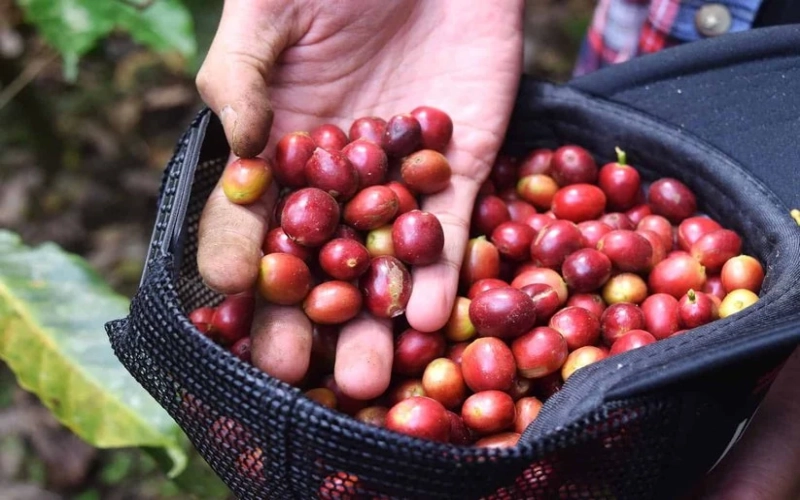
Flavor analysis of Indonesian West Java coffee beans: The honey processing method and cultivation history of the Jember variety
When it comes to Indonesian specialty coffee, most people first think of Sumatra. Yet coffee from West Java presents a completely different character—no heavy herbal and spicy notes, but instead a warm, gentle tropical fruit sweetness and acidity. This West Java bean, now available at Front Street Coffee, comes from the Arumanis Estate on Mount Malabar, and the variety is S795, known locally as Jember, processed using the honey method. This article will walk you through the terroir of the Java growing region, the winding history of coffee cultivation, the role of the ICCRI research institute, as well as the cupping performance of this bean and Front Street's brewing recommendations. [more…]